How to Choose the Right Stainless Steel Kitchen Sink for Your Home
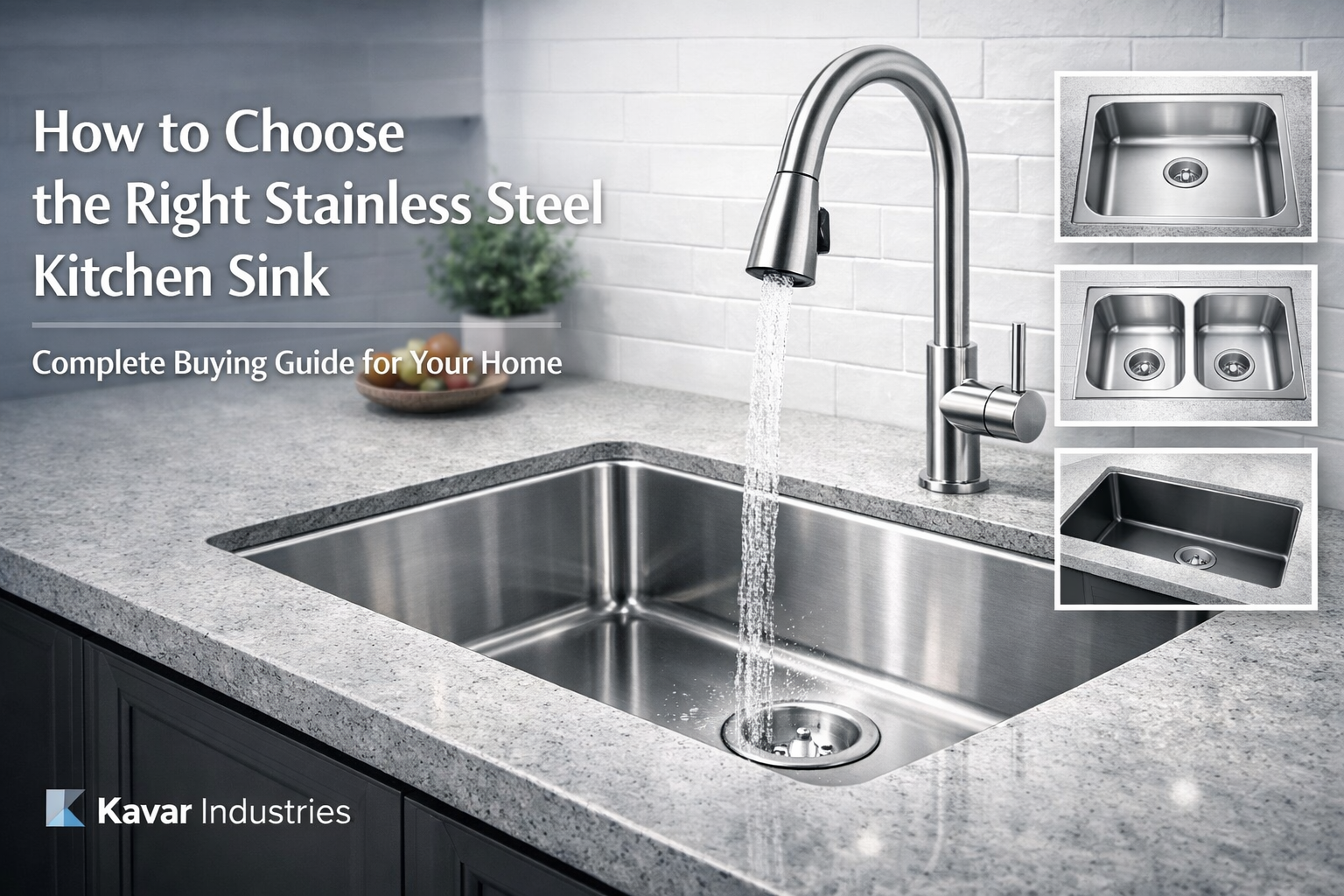
Why Choose Kavar India's Stainless Steel Sinks?
Kavar India manufactures premium stainless steel kitchen sinks using high-grade 304-grade steel, engineered for Indian kitchens with superior build quality, anti-scratch finish, and reliable long-term performance.
- 304-grade stainless steel construction
- 16–18 gauge heavy-duty options
- Sound-deadening undercoating
- Single, double, and 1.5 bowl options
- Satin and mirror finish variants
- Pan-India delivery and installation support
Table of Contents
The kitchen sink is one of the most frequently used fixtures in any Indian home — used dozens of times daily for washing vegetables, rinsing vessels, cleaning utensils, and more. Choosing the right stainless steel kitchen sink is therefore a critical decision that impacts daily kitchen convenience, hygiene, and the overall aesthetics of your cooking space. With so many options available from numerous stainless steel kitchen sink manufacturers in India, navigating the choices can be overwhelming. This comprehensive guide breaks down every factor you need to consider.
Stainless Steel Kitchen Sinks: The Timeless Choice
Despite the growing popularity of quartz composite sinks, stainless steel kitchen sinks remain the most widely used sink type in Indian homes. Their enduring appeal stems from a combination of practical advantages that make them an excellent value proposition:
- Proven durability lasting 15–30 years with proper maintenance
- Resistance to rust and corrosion in humid Indian environments
- Compatibility with all countertop materials and kitchen styles
- Easy availability of replacement parts and accessories
- Wide price range accommodating all budget segments
- 100% recyclable material making it an eco-friendly choice
However, not all stainless steel kitchen sinks are created equal. Understanding the key differentiating factors will help you choose a sink that delivers genuine value and performance for your specific needs.
Key Factors When Choosing a Stainless Steel Kitchen Sink
Before you invest in a stainless steel kitchen sink, evaluate these critical quality and compatibility factors:
1. Steel Grade: 304 vs 202 vs 201
The grade of stainless steel used in your sink is perhaps the single most important quality indicator. Here's what you need to know:
- Grade 304 (18/8): The gold standard for kitchen sinks. Contains 18% chromium and 8% nickel, offering superior corrosion resistance, durability, and longevity. Ideal for Indian kitchens where acidic foods and hard water are common.
- Grade 202: Contains lower nickel and higher manganese content. Adequate for moderate kitchen use but less resistant to corrosion from acidic foods over the long term.
- Grade 201: Budget-grade steel with minimal nickel content. Susceptible to rusting in humid conditions and with prolonged exposure to acidic kitchen waste.
Always insist on Grade 304 stainless steel from your sink manufacturer — it's a non-negotiable investment for long-term performance.
2. Gauge and Thickness
In stainless steel, gauge refers to thickness — and counterintuitively, a lower gauge number means thicker steel. Here's a practical guide for Indian homeowners:
- 16 Gauge (1.5mm): Heavyweight, premium option — best for heavy Indian cooking use. Resists denting from heavy cookware and reduces noise significantly.
- 18 Gauge (1.2mm): The most popular choice for Indian homes — balances durability and cost effectively. Handles daily heavy use comfortably.
- 20 Gauge (0.9mm): Economy option suitable for light kitchen use. May dent with heavy Indian cookware over time.
3. Bowl Configuration
The bowl configuration should match your daily kitchen workflow. Consider these options:
- Single Bowl: Maximum usable basin space — ideal for washing large Indian cooking vessels, pressure cookers, and kadais. Best for most Indian households.
- Double Bowl (Equal): Two equal-sized bowls for simultaneous tasks — washing in one and rinsing or storing in the other. Popular in larger Indian kitchens.
- 1.5 Bowl: One large bowl and one smaller offset bowl — ideal for homes that need a dedicated space for food waste disposal or quick rinsing without the full footprint of a double bowl.
4. Surface Finish
The surface finish of a stainless steel kitchen sink affects both its aesthetics and its practical maintenance:
- Satin / Brushed Finish: The most popular choice for Indian kitchens. Fine linear brushing hides water spots and minor scratches effectively. Easy to maintain.
- Mirror / Polished Finish: High-gloss appearance that adds a premium look but shows water spots, fingerprints, and scratches more prominently. Requires more frequent cleaning.
- Textured Finish: Embossed patterns provide added grip and effectively conceal wear marks. Growing in popularity for premium modular kitchens.
5. Size and Dimensions
Selecting the correct size is essential for a proper fit and optimal functionality:
- Measure your base cabinet width precisely before choosing a sink — standard Indian modular cabinets are 600mm wide
- Ensure the sink's overall dimensions allow for proper countertop support around all edges
- Basin depth of 7–9 inches is ideal for Indian cooking requirements — deeper basins accommodate large vessels better
- Drain position (centre, offset, or rear) should be chosen based on your under-sink plumbing configuration
Installation Options for Stainless Steel Sinks
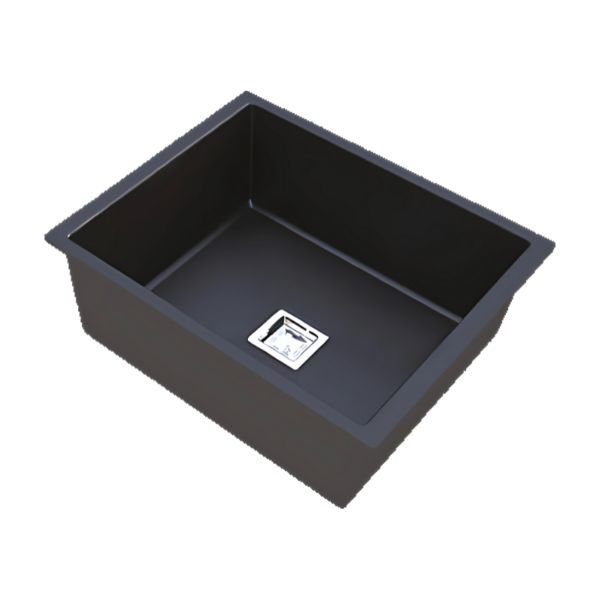
The installation method you choose determines how your stainless steel kitchen sink integrates with your countertop aesthetically and functionally:
Top-Mount Installation
Also known as drop-in installation, this is the most common method in Indian kitchens. The sink drops into a hole cut in the countertop, with a rim that rests on the surface:
- Works with all countertop materials including granite, marble, laminates, and tiles
- Easiest and most affordable installation option
- The visible rim can collect dirt around the edges over time
- Available for all bowl configurations and sizes
Undermount Installation
In undermount installation, the sink is mounted beneath the countertop surface, creating a clean, seamless look:
- Creates an elegant, uninterrupted countertop surface without a visible rim
- Easier to clean — food debris can be swept directly into the sink
- Requires a solid-surface countertop (granite, quartz, or solid surface) for proper support
- Professional installation is strongly recommended for a secure, leak-proof fit
Flush-Mount Installation
Flush-mount sinks sit perfectly level with the countertop surface — a premium installation option for contemporary kitchen designs. The sink rim is machined to sit flush with the countertop material, requiring skilled installation but delivering a seamless, high-end result.
Maintaining Your Stainless Steel Kitchen Sink
Proper maintenance extends the life of your stainless steel kitchen sink and keeps it looking as good as new for years:
Cleaning Best Practices
Follow these cleaning practices for daily and weekly maintenance of your stainless steel sink:
- Rinse the sink thoroughly with water after every use to remove food residues and acidic substances
- Use mild dishwashing liquid and a soft cloth or non-abrasive sponge for daily cleaning
- Always wipe in the direction of the steel grain (the fine linear pattern) to avoid cross-grain scratches
- Dry the sink after washing to prevent water spots and limescale deposits in hard-water areas
Preventing Scratches and Stains
Protect your stainless steel kitchen sink's appearance with these preventive measures:
- Use a sink grid or rubber mat to protect the basin base from heavy cookware impacts
- Avoid leaving steel wool, iron cookware, or cast iron skillets in the sink as they can cause surface rust transfer
- Rinse away bleach, chlorine-based cleaners, and drain unblockers immediately to prevent pitting
- Do not leave acidic foods (tamarind, lemon, vinegar) sitting in the sink for extended periods
Long-Term Maintenance Tips
For maintaining the long-term appearance and performance of your stainless steel kitchen sink:
- Apply a thin coat of mineral oil or baby oil monthly to restore lustre and create a water-repellent layer
- Use a stainless steel cleaner quarterly to remove stubborn water spots and restore the original finish
- Inspect the drain seal and caulking annually and reseal if necessary to prevent water leakage
- Check and tighten the mounting clips annually to ensure the sink remains secure in its mounting
Stainless Steel vs Quartz Sinks: Which is Right for You?
Understanding the differences between stainless steel kitchen sinks and quartz composite sinks helps you make the best decision for your specific needs and budget:
- Budget: Stainless steel offers excellent quality at a lower price point; quartz offers premium features at a moderate premium
- Noise: Quartz composite sinks are significantly quieter; stainless steel requires sound-deadening coating to reduce clanking
- Colour options: Stainless steel is limited to metallic finishes; quartz offers a rich colour palette
- Stain resistance: Quartz is superior for resisting turmeric and strong food colours; stainless steel may show temporary discolouration
- Heat resistance: Both handle high temperatures well; quartz is rated to 280°C officially
- Maintenance: Quartz requires less effort to maintain its appearance over time
Frequently Asked Questions About Choosing a Stainless Steel Kitchen Sink
For Indian kitchens with heavy daily use involving large vessels and heavy cookware, an 18-gauge stainless steel kitchen sink is the optimal choice for most households, balancing durability and cost. For premium installations or very heavy cooking environments, a 16-gauge sink from a reputable manufacturer like Kavar India provides superior resistance to denting and noise. Avoid 20-gauge sinks for regular Indian kitchen use as they are more susceptible to denting and flexing under heavy loads.
Grade 304 stainless steel (also known as 18/8 or food-grade steel) is unquestionably the best choice for kitchen sinks in India. It contains 18% chromium and 8% nickel, providing excellent resistance to rust, corrosion, and the acidic substances common in Indian cooking. All premium stainless steel kitchen sinks from Kavar India are manufactured using Grade 304 steel, ensuring long-term durability even with daily exposure to turmeric, tamarind, and other acidic ingredients.
Surface rust on a stainless steel kitchen sink is usually caused by rust transfer from iron cookware or tools left in the sink, not actual corrosion of the steel itself. Remove it by applying a paste of baking soda and water, leaving it for 15 minutes, then gently rubbing in the direction of the grain with a soft cloth. For more stubborn stains, a stainless steel cleaner or a solution of white vinegar and water applied with a soft brush works effectively. Rinse thoroughly and dry after treatment. Prevent future rust transfer by using a sink grid and avoiding leaving iron cookware or steel wool in the sink.
For most Indian households, a single bowl stainless steel kitchen sink is the more practical choice because it provides maximum unobstructed space for washing large pressure cookers, kadais, and stockpots commonly used in Indian cooking. A double bowl configuration is beneficial if you frequently need to simultaneously wash and rinse, or want dedicated space for food waste. However, if kitchen space allows, a 1.5 bowl sink offers a good compromise — a large primary bowl for washing large vessels and a smaller secondary bowl for rinsing or soaking smaller items.
A premium stainless steel kitchen sink from a reputable manufacturer like Kavar India, made from Grade 304 steel with an 18-gauge thickness, should last 15–30 years or more with proper care. The longevity depends on steel grade, gauge, manufacturing quality, and maintenance practices. High-quality sinks come with warranties of 5–10 years that reflect genuine manufacturer confidence. With regular cleaning and proper use, your stainless steel sink can remain functional and attractive for decades, making it one of the most cost-effective kitchen investments available.
Conclusion: Making the Right Stainless Steel Kitchen Sink Choice
Choosing the right stainless steel kitchen sink is not simply about picking a size that fits your cabinet. It involves careful evaluation of steel grade, gauge thickness, bowl configuration, surface finish, installation method, and manufacturer reputation. By investing time in understanding these factors, you ensure that your chosen sink serves your family's needs reliably for decades.
As a trusted stainless steel kitchen sink manufacturer in India, Kavar India takes pride in offering products that combine Grade 304 steel, optimal gauge specifications, and thoughtful designs tailored for Indian kitchen requirements. Whether you're building a new home or renovating an existing kitchen, our range of stainless steel sinks provides the perfect balance of functionality, durability, and visual appeal.
Looking for Premium Stainless Steel Kitchen Sinks?
At Kavar India, we manufacture India's finest stainless steel kitchen sinks using Grade 304 steel and advanced manufacturing processes. Our commitment to quality, innovation, and customer satisfaction has established us as a trusted partner for homeowners, designers, and contractors nationwide.
Explore Our Stainless Steel Sink Collection
Kavar India is a leading manufacturer of premium stainless steel kitchen sinks and quartz kitchen sinks, offering innovative designs, superior quality, and exceptional durability for modern Indian homes.